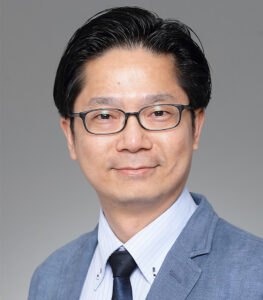
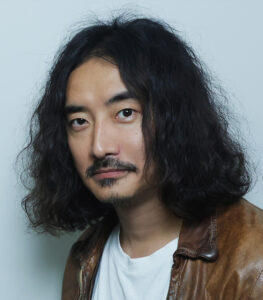
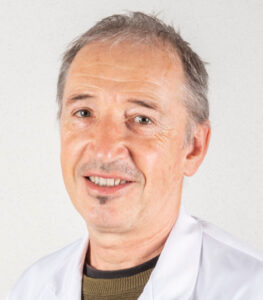

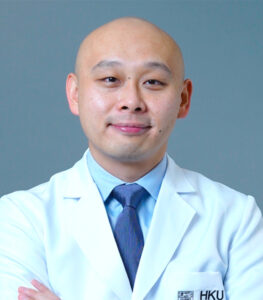
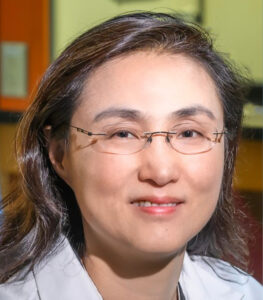


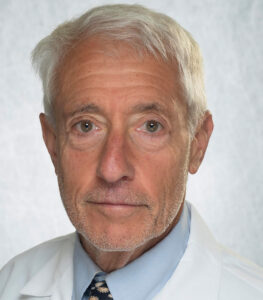

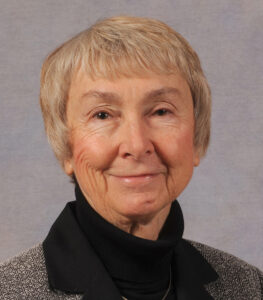
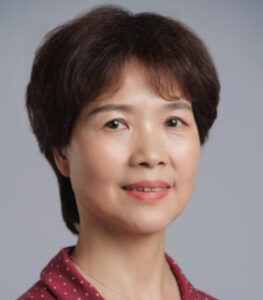
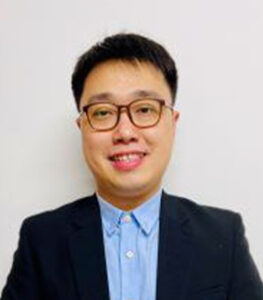
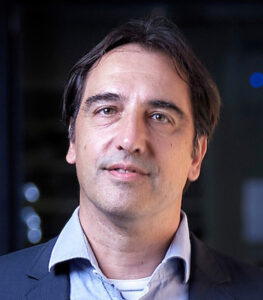
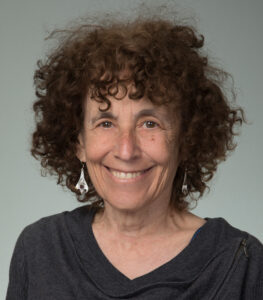
Professor Poon, a virologist and public health scientist, received his PhD from the Sir William Dunn School of Pathology at the University of Oxford. In 2001, he joined the University of Hong Kong (HKU) as a Research Assistant Professor and is now the Chair Professor in the School of Public Health, also serving as co-director of the HKU-Pasteur Research Pole and co-director of the Hong Kong Jockey Club Global Health Institute (HKJCGHI).
Professor Poon’s research primarily focuses on emerging and re-emerging viruses that threaten human health, including SARS-CoV, SARS-CoV-2, MERS-CoV, and zoonotic influenza viruses. Utilizing the “One Health” concept, he studies viruses at the animal-human interface and has developed molecular tests for various zoonotic viruses. Notably, he contributed to the discovery of the coronavirus responsible for SARS in 2003 and decoded its sequence, leading to the identification of coronaviruses in wildlife, including the first bat coronavirus. During the H1N1 pandemic in 2009, he identified the first reassortant of the pandemic virus in pigs. His work during the COVID-19 pandemic significantly advanced our understanding of SARS-CoV-2 and its public health implications, and he has a strong interest in vaccinology.
Professor Poon has published over 300 peer-reviewed articles and is a founding member of the Hong Kong Young Academy of Sciences. He was awarded a Senior Research Fellowship by the Croucher Foundation in 2017 and has ranked in the top 1% of the world’s most-cited scientists since 2005, with over 45,000 citations and an H-index of 102. In 2023, he received the highly prestigious Louis Pasteur Bicentenary Prize from the Institut Pasteur for his contributions to combating emerging infectious diseases.
Professor Poon serves as an expert for several international organizations, such as WHO, FAO, and WOAH.
Dr. Kei Sato is a Professor at the Institute of Medical Science, The University of Tokyo, Japan, and a Visiting Professor at Duke-NUS Medical School, Singapore. He is pioneering a field of virology that he calls “systems virology,” which integrates multiple aspects of viruses — including epidemiology, pathogenicity, replication dynamics, and viral structure — and applies this interdisciplinary approach to HIV and SARS-CoV-2. To combat the COVID-19 pandemic, Dr. Sato launched “The Genotype to Phenotype Japan (G2P-Japan) consortium” in 2021. He is now expanding this initiative into “The Genotype to Phenotype Asia (G2P-Asia) Consortium” to help prepare for the next pandemic.
Yunlong Richard Cao is a viral immunologist and Assistant Professor at Biomedical Pioneering Innovation Center (BIOPIC), Peking University. Cao’s research focuses on B-cell adaptive immune response, antibody drugs and vaccine designs. Cao was listed among “Ten people who helped shape science in 2022” by Nature (Nature’s 10) and “35 Innovators Under 35” (China) in 2021 by MIT Technology Review, and awarded the Xplorer Prize in 2024. Cao is a member of WHO Technical Advisory Group on COVID-19 Vaccine Composition (TAG-CO-VAC) and the Coalition for Epidemic Preparedness Innovations (CEPI) Scientific Advisory Committee. Cao’s work was listed among “China’s top 10 scientific advances” and “China’s top 10 advances in life sciences” in 2022.
Prof. Hin Chu is a Tenured Associate Professor at the Department of Microbiology and the
State Key Laboratory of Emerging Infectious Diseases at the Li Ka Shing Faculty of
Medicine, The University of Hong Kong. His research program focuses on the pathogenic
mechanisms and virus-host interactions of emerging viruses. He has published over 170 SCI
papers with an h-index of >60 and more than 37,000 citations. As a corresponding author, he
has published over 40 papers in leading international journals including Nature, Cell Host &
Microbe, Nature Microbiology, Nature Biomedical Engineering, Nature Methods, and Cell
Research. Among other discoveries, he was the first to reveal the role of apoptosis in
coronavirus biology and first reported the attenuation of SARS-CoV-2 Omicron that resulted
in international policy shift in SARS-CoV-2 management strategies. His research is supported
by competitive grants including GRF, HMRF, NSFC, CRF, TRS, Health@InnoHK, and the
National Key R&D Program. He has been named Clarivate Analytics "Highly Cited
Researcher" (2021-now), and was awarded the NSFC Outstanding Young Scientist Fund
(2021), HKU Outstanding Young Researcher Award (2023), HKU Research Output Prize
(2021, 2022, 2023), and the inaugural HKU LKS Faculty of Medicine Outstanding Young
Professorship (Gallant Ho Outstanding Young Professor) (2025).
Dr. Ying Fang is a distinguished professor at the Department of Pathobiology and is affiliated with Carl R. Woese Institute for Genomic Biology at the University of Illinois at Urbana-Champaign. She is an elected Fellow of the National Academy of Inventors. Dr. Fang obtained her PhD degree in microbiology in December 2004 from South Dakota State University. Shortly after her graduation, she was appointed as Assistant Professor at the Center for Infectious Disease Research and Vaccinology at South Dakota State University in January 2005 and promoted to Associate Professor in 2011. In 2013, Dr. Fang moved to Kansas State University and served as Associate Professor. In 2016, she was promoted to Full Professor. In 2019, Dr. Fang joined the University of Illinois at Urbana-Champaign as a Full Professor. In 2025, she has been named as Distinguished Professor in Diagnostic Test and Vaccine Development. During the past 20 years, Dr. Fang’s research interests have been focused on understanding the basic molecular mechanisms of viral pathogenesis and applying the basic knowledge to develop vaccines and diagnostic assays. She developed the first reverse genetic system of an emerging North American PRRSV-1, invented an effective commercial vaccine (PREVACENT PRRS vaccine), and developed and commercialized diagnostic test kits for detection of swine viral pathogens. Her laboratory was the first to conduct in-depth studies on the structure-function of PRRSV replicases, which led to the later discoveries of novel PRRSV proteins and viral replication mechanisms. She has published over 100 papers in peer-reviewed refereed journals and book chapters and has been sought after for invited keynote talks and seminars at various institutions and national/international conferences. She serves as a reviewer for numerous journals and federal grant review panels, including NIH and USDA. Dr. Fang has also served in many national and international leadership positions. Her scholarship and research excellence have been recognized with numerous prestigious honors and awards, including Dr. Gordon and Mrs. Helen Kruger Research Excellence Award, Zoetis Animal Health Award for Research Excellence, Distinguish Researcher Award, and South Dakota State University Intellectual Property Commercialization Award.
Bart Haagmans, is an associate professor at the Department of Viroscience of Erasmus MC with a research focus on the pathogenesis of emerging viral infections, notably coronaviruses. Studies on MERS and SARS coronaviruses led to a more detailed understanding of the biology of these emerging viruses and novel intervention strategies to contain the outbreaks. Recently several organoid systems from humans and different animal species were developed to study virus-host interactions. He is a member of the Coronavirus study group of the ICTV. He received the lifetime achievement award from ECMIDD, acted as Co-PI on several other EU grants as well as a CEPI funded MERS vaccine project. He is an expert consultant of WHO, FAO, WOAH, with a focus on surveillance and characterization of novel coronavirus variants.
Helena Maier is Group Leader of the Coronavirus Cellular Biology group at the Pirbright Institute, UK. Following completion of her DPhil in influenza virus at the University of Oxford, Helena moved into the coronavirus field. Helena is a molecular virologist whose research focusses on how coronaviruses remodel the host cell to maximise virus replication. She has a long established interest in coronavirus replication organelles including understanding viral and cellular proteins involved in their formation and function as well as characterising functions for the different structural elements of the replication organelle. In addition, Helena’s research aims to understand the molecular processes in coronavirus regulation of cellular vesicular trafficking, stress signalling, translation and metabolism. Helena’s work predominantly makes use of the economically important avian Gammacoronavirus infectious bronchitis but also incorporates comparative virology to understand similarities and differences in replication strategies across the whole coronavirus family.
Dr. Stanley Perlman
University of Iowa Distinguished Professor
The University of Iowa
Professor of Microbiology and Immunology, and of Pediatrics
Dr. Perlman received his Ph.D. in Biophysics from M.I.T., Cambridge, Massachusetts and his M.D. from the University of Miami, Miami, Florida. He was trained in Pediatrics and Pediatric Infectious Diseases at Boston Children’s Hospital, Boston, Massachusetts. He is a member of the VRBPAC of the FDA, the COVID-19 Advisory Committee of the ACIP (Advisory Committee on Immunization Practices) and the WHO Technical Advisory Group on COVID-19 vaccine Composition (TAG-COV-VAC). His current research efforts are focused on coronavirus pathogenesis, including virus-induced demyelination and the Severe Acute Respiratory Syndrome (SARS), the Middle East Respiratory Syndrome (MERS) and COVID-19. His laboratory has developed several novel animal models useful for studying pathogenesis and evaluating vaccines and anti-viral therapies. His studies are directed at understanding why aged patients and mice developed more severe disease than younger individuals after infection with SARS-CoV or SARS-CoV-2. Among other topics, his research is now focusing on the loss of sense of smell (anosmia) and neurological disease in mice and patients with acute SARS-CoV-2 infection and PASC (Post Acute Sequelae of COVID-19).
Stefan Pöhlmann is interested in virus–host cell interactions, with a particular focus on how emerging viruses gain entry into their target cells. During the COVID-19 pandemic, the Pöhlmann laboratory and colleagues demonstrated that ACE2 and TMPRSS2 are critical for SARS-CoV-2 infection of lung cells and showed that this host cell factor usage explains why hydroxychloroquine is ineffective against COVID-19. In addition, they identified a unique furin cleavage site in the SARS-CoV-2 spike protein and showed that this site is essential for infection of lung cells. They were among the first to show that SARS-CoV-2 variants evolve under antibody pressure, demonstrated that the Omicron variant evades antibodies with unprecedented efficiency, and showed that new variants can reacquire virulence factors present in early pandemic strains. Stefan Pöhlmann is a member of the editorial boards of Journal of Virology and Antimicrobial Agents and Chemotherapy and he currently leads an EU-funded consortium on novel antivirals. He also serves as a deputy member of the ZKBS, the German Central Commission for Biosafety.
Dr. Linda Saif is a Distinguished University Professor at The Ohio State University (OSU) in the Center for Food Animal Health, Colleges of Food, Agriculture and Environmental Sciences and Veterinary Medicine. She is co-Director of the Virus and Emerging Pathogens Program (OSU Infectious Diseases Institute). She received a BA from The College of Wooster and MS/PhD in microbiology from OSU. She is a virologist and immunologist, whose research focuses on comparative and One Health aspects of enteric and respiratory viral infections (coronaviruses, rotaviruses and caliciviruses) of animals and humans, including epidemiology, pathogenesis, mucosal immunity and vaccine development. An ongoing focus is on the impact of malnutrition, micronutrient deficiencies (vitamin A) and probiotics in neonates on the gut microbiome and enteric viral infections, immunity and vaccines. Dr. Saif is known internationally for her 4 decades of research on coronavirus infections of livestock, wildlife, and humans (SARS, MERS, SARS-CoV-2, Canine CoV-HuPn-2018, PDCoV) and their zoonotic potential and mechanisms of interspecies transmission. Dr. Saif was an advisor to the WHO and CDC during the 2003 SARS outbreak. Her laboratory is currently a WHO (CoViNet) and FAO International Reference Lab for Animal Coronaviruses. She is an elected member of the US National Academy of Sciences, the National Academy of Inventors and Argentine Academia Nacional de Agronomía y Veterinaria. She is an elected Fellow of the American College of Veterinary Microbiologists, AAAS, and the American Academy of Microbiology and a recipient of the Wolf Prize in Agriculture. Dr. Saif has coauthored over 475 referred journal publications and 85 book chapters. She provided international One Health expertise on coronaviruses, including SARS-CoV-2, during COVID-19.
Zhengli Shi, Ph.D, Guangzhou National Laboratory
shi_zhengli@gzlab.ac.cn
Dr. Shi is the group leader for Emerging Virus Laboratory. She focuses her research on pathogen investigation of unknown viruses in wild animals and interspecies infection mechanism of zoonotic viruses. She is in charge for the viral surveillance screening among bat samples leading to the discovery and recognition of a wide-array of coronavirus including sarbecovirus, merbecovirus and rhinacovirus. Her long experience on bat coronavirus led to the rapid identification of the pathogen of COVID-19 and its probable bat origin. She won the second prize of Natural Science Award of China in 2018 and was elected as fellowship of American Academy of Microbiology in 2019.
Dr. Tan Chee Wah is an infectious disease virologist and translational immunology researcher at the National University of Singapore, where he established his laboratory in August 2023 to advance pandemic science. He obtained a PhD from the University of Malaya studying enterovirus A71–host interactions, and completed postdoctoral training at Duke-NUS focused on zoonotic bat-borne viruses and SARS-CoV-2. Dr. Tan has co-authored more than 100 peer-reviewed publications, including first-author papers in The New England Journal of Medicine and Nature Biotechnology. He co-invented the SARS-CoV-2 surrogate virus neutralization test (sVNT), commercialised as GenScript’s cPass™ (FDA EUA in 2020; U.S. patent in 2021), which has been deployed in over 90 countries and generated more than SGD 1 million in revenue for the School and inventors.
Building on this translational foundation, he led the development of a multiplex sVNT that quantifies neutralising antibodies against multiple sarbecoviruses in a single assay, supporting the development of broadly protective vaccines and neutralising antibody countermeasures. His laboratory’s research centres on pandemic preparedness and response, developing high-throughput functional serology platforms to map immunity and identify gaps at human–animal interfaces where zoonotic spillover can occur, across major viral threat families. This programme is supported by competitive funding and a multinational collaboration network across Asia and Africa to strengthen surveillance, early threat detection, and translation into vaccines and therapeutics.
Volker Thiel has studied Biology at the University of Würzburg, Germany. Already during his master thesis he started to work on coronaviruses at the Institute of Virology in Würzburg and has then completed his PhD in 1998. One of the major achievements is the establishment of reverse genetics system for various coronaviruses, including Human Coronavirus 229E, SARS-CoV and SARS-CoV-2 and he was the first to report a molecular clone for a human coronavirus. In 2003 he moved to the Kantonal Hospital in St.Gallen, Switzerland, where he was leading a research group at the Institut of Immunobiology. He habilitated in Virology at the Vetsuisse Faculty in Zürich and moved 2014 to University of Bern where he is Professor and chair in Virology at the Vetsuisse Faculty Bern and head of the division Virology at the Institute of Virology and Immunology (IVI).
Susan R. Weiss, PhD, is Professor of Microbiology and Vice Chair of the Department of Microbiology at the University of Pennsylvania and Director of the Penn Center for Research on Emerging Viruses. Her research has focused on coronavirus pathogenesis for four decades, most recently on human coronaviruses. These include the pathogenic MERS-CoV and SARS-CoV-2 as well as the common cold coronaviruses. Her laboratory uses reverse genetics systems and primary human upper and lower airway derived primary cell cultures to probe the mechanisms of viral interaction with host innate immune pathways. Additionally her lab focuses on the genetic differences among the different clades of MERS-CoVs and how this informs us about spillover into humans. Her other related research interests include activation and antagonism of the double-stranded RNA induced antiviral responses, with a focus on the oligoadenylate-ribonuclease L (OAS-RNase L) and PKR pathways Dr. Weiss earned her BA in Biology from Brandeis University and her PhD in Microbiology and Molecular Genetics from Harvard University. She is an elected a member of the National Academy of Sciences and the American Academy of Arts and Sciences.