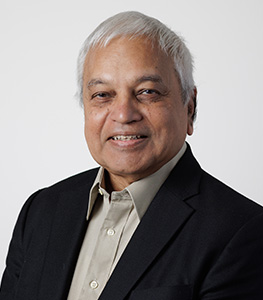

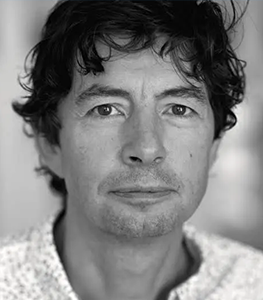
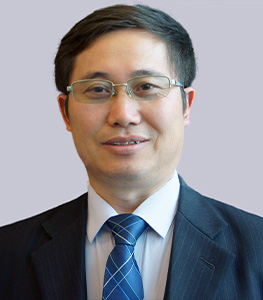
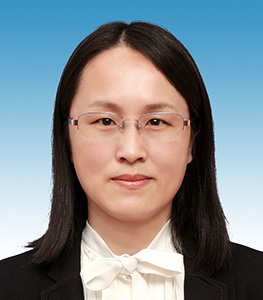
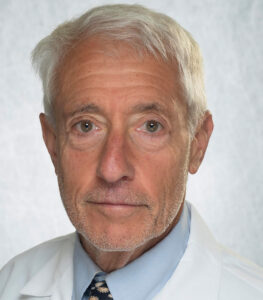
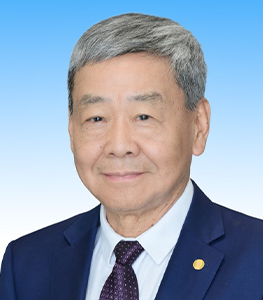
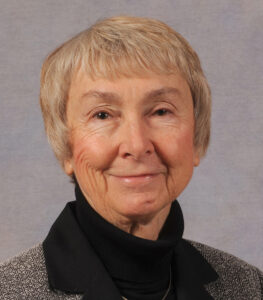
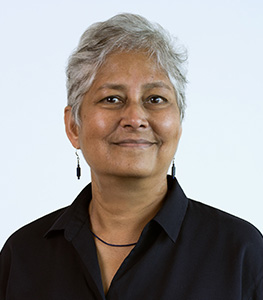
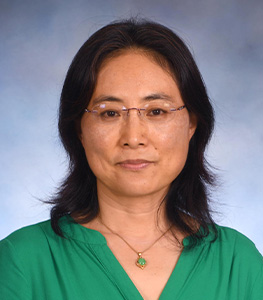
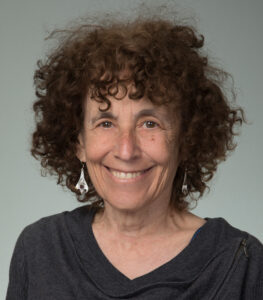
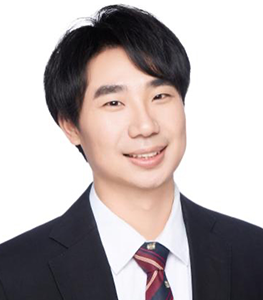
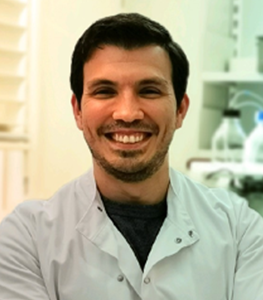
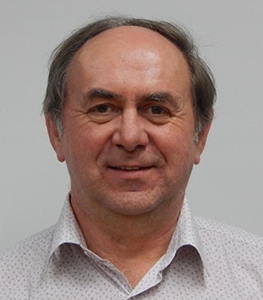

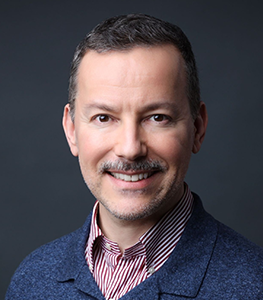
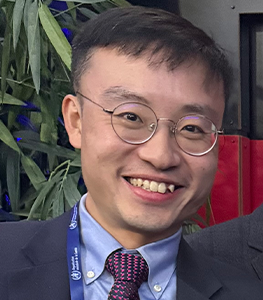
Helena Maier is Group Leader of the Coronavirus Cellular Biology group at the Pirbright Institute, UK. Following completion of her DPhil in influenza virus at the University of Oxford, Helena moved into the coronavirus field. Helena is a molecular virologist whose research focusses on how coronaviruses remodel the host cell to maximise virus replication. She has a long established interest in coronavirus replication organelles including understanding viral and cellular proteins involved in their formation and function as well as characterising functions for the different structural elements of the replication organelle. In addition, Helena’s research aims to understand the molecular processes in coronavirus regulation of cellular vesicular trafficking, stress signalling, translation and metabolism. Helena’s work predominantly makes use of the economically important avian Gammacoronavirus infectious bronchitis but also incorporates comparative virology to understand similarities and differences in replication strategies across the whole coronavirus family.
Malik Peiris is Emeritus Professor of Virology at the School of Public Health, The University of Hong Kong. He is a clinical and public health virologist, with an interest in emerging virus disease at the animal-human interface, including influenza and coronaviruses (SARS-CoV, MERS-CoV, SARS-CoV-2). In 2003, he identified the novel coronavirus that caused SARS and contributed to understanding its origins, diagnosis and control. More recently, he works seasonal and zoonotic influenza, COVID-19 and MERS. He is a Fellow of the Royal Society of London and a Foreign Member of the US National Academy of Sciences.
Dr. Anthony is a Professor of Virology in the Department of Pathology, Microbiology, and Immunology at the UC Davis School of Veterinary Medicine. He also serves as the Associate Director of the NSF-funded Center for Pandemic Insights (CPI). Dr. Anthony’s research focuses on how viruses evolve and circulate in natural systems, and with the ecological and evolutionary mechanisms that generate, maintain, and reshape viral diversity over time. He approaches this problem through the lens of pre-emergence, identifying the mechanisms that constrain ecological and evolutionary events relevant to spillover. In recent years, a major focus of his work has been coronavirus recombination, where he and his team integrate comparative genomics with field and experimental systems to define the ecological, cellular, and evolutionary processes that regulate recombinant emergence.
Christian Drosten is a German virologist and director of the Institute of Virology at the Charité University Medicine in Berlin. His research focuses on ecology, epidemiology, and evolution of emerging viruses. He co-discovered SARS-CoV in 2003 and developed the first diagnostic test, and later made major contributions to understanding MERS-CoV in humans and animals. In January 2020, his team developed the first WHO-recommended RT-PCR test for SARS-CoV-2, which was globally applied. His work during the pandemic centered on key disease characteristics, diagnostics, and scientific advising of national and European public health authorities.
Dr. Guo is a professor in microbiology/virology at Guangzhou National Laboratory and the vice-president of Chinese Society for Microbiology. He obtained his PhD in microbiology at Braunschweig University of Technology in Germany in 1995 and finished his postdoctoral training at the University of Helsinki in Finland. He has been a professor in microbiology/virology since 2002 at Wuhan University and Sun Yat-sen University. He acted as the dean of biomedical schools of the two universities from 2011-2021. His work focuses on molecular mechanisms of the infection and pathogenesis of RNA viruses, in particular, the emerging coronaviruses including SARS-CoV-2. He is also interested in antiviral innate immunity and the gene therapy of HIV/AIDS. He has published more than 200 peer-reviewed papers in internationally recognized journals. He was selected as National Distinguished Young Scholar by National Natural Science Foundation of China (NSFC) in 2009 and acts as the chief scientist of the National Basic Research Program (“973” project) in cellular antiviral innate immunity.
Ying Liao obtained her Ph.D. degree from Nanyang Technological University in 2007. Following her doctoral studies, she served as a postdoctoral fellow and later as a research scientist at NTU and A*STAR. In 2014, she joined the Shanghai Veterinary Research Institute, where she is currently a professor and the team leader of the Poultry Viral Disease Surveillance and Prevention Team.
Her laboratory focuses on infectious bronchitis virus (IBV) as a model to investigate the molecular mechanisms underlying coronavirus life cycles, virus-host interactions, and viral pathogenesis. Through this research, her team aims to achieve a comprehensive understanding of the complex relationships between these viruses and their host cells, ultimately contributing to the development of antiviral drugs and vaccines.
Dr. Stanley Perlman
University of Iowa Distinguished Professor
The University of Iowa
Professor of Microbiology and Immunology, and of Pediatrics
Dr. Perlman received his Ph.D. in Biophysics from M.I.T., Cambridge, Massachusetts and his M.D. from the University of Miami, Miami, Florida. He was trained in Pediatrics and Pediatric Infectious Diseases at Boston Children’s Hospital, Boston, Massachusetts. He is a member of the VRBPAC of the FDA, the COVID-19 Advisory Committee of the ACIP (Advisory Committee on Immunization Practices) and the WHO Technical Advisory Group on COVID-19 vaccine Composition (TAG-COV-VAC). His current research efforts are focused on coronavirus pathogenesis, including virus-induced demyelination and the Severe Acute Respiratory Syndrome (SARS), the Middle East Respiratory Syndrome (MERS) and COVID-19. His laboratory has developed several novel animal models useful for studying pathogenesis and evaluating vaccines and anti-viral therapies. His studies are directed at understanding why aged patients and mice developed more severe disease than younger individuals after infection with SARS-CoV or SARS-CoV-2. Among other topics, his research is now focusing on the loss of sense of smell (anosmia) and neurological disease in mice and patients with acute SARS-CoV-2 infection and PASC (Post Acute Sequelae of COVID-19).
Zihe Rao, Professor of Tsinghua University. Honorary President of Biophysics Society of China. He was severed as President of Nankai University, Director-General of the Institute of Biophysics of CAS, and President of International Union for Pure and Applied Biophysics (IUPAB).
He and his team have revealed fundamental structure-function and mechanistic insights to the replication/transcription, assembly and host invasion of Coronavirus, Retrovirus, Hepatitis A virus, Hepatitis B virus, Influenza virus, Picornavirus, Herpesvirus, Africa-Swine-Fever-virus and other disease-causing viruses, and also uncovered how Mycobacterium tuberculosis achieves metabolite/energy transport and drug resistance. This has led to new therapeutic targets and innovative drug designs. To date, Zihe Rao has published more than 480 peer reviewed research papers, including 32 papers in Science, Nature and Cell, with over 43,570 citations. He also has 38 innovation patents.
Dr. Linda Saif is a Distinguished University Professor at The Ohio State University (OSU) in the Center for Food Animal Health, Colleges of Food, Agriculture and Environmental Sciences and Veterinary Medicine. She is co-Director of the Virus and Emerging Pathogens Program (OSU Infectious Diseases Institute). She received a BA from The College of Wooster and MS/PhD in microbiology from OSU. She is a virologist and immunologist, whose research focuses on comparative and One Health aspects of enteric and respiratory viral infections (coronaviruses, rotaviruses and caliciviruses) of animals and humans, including epidemiology, pathogenesis, mucosal immunity and vaccine development. An ongoing focus is on the impact of malnutrition, micronutrient deficiencies (vitamin A) and probiotics in neonates on the gut microbiome and enteric viral infections, immunity and vaccines. Dr. Saif is known internationally for her 4 decades of research on coronavirus infections of livestock, wildlife, and humans (SARS, MERS, SARS-CoV-2, Canine CoV-HuPn-2018, PDCoV) and their zoonotic potential and mechanisms of interspecies transmission. Dr. Saif was an advisor to the WHO and CDC during the 2003 SARS outbreak. Her laboratory is currently a WHO (CoViNet) and FAO International Reference Lab for Animal Coronaviruses. She is an elected member of the US National Academy of Sciences, the National Academy of Inventors and Argentine Academia Nacional de Agronomía y Veterinaria. She is an elected Fellow of the American College of Veterinary Microbiologists, AAAS, and the American Academy of Microbiology and a recipient of the Wolf Prize in Agriculture. Dr. Saif has coauthored over 475 referred journal publications and 85 book chapters. She provided international One Health expertise on coronaviruses, including SARS-CoV-2, during COVID-19.
Professor Kanta Subbarao is a virologist and paediatric infectious disease physician. She has worked on molecular virology and vaccine development for emerging viruses that pose a potential pandemic threat, including influenza viruses, SARS, MERS and SARS-CoV-2 coronaviruses. She holds a Canada Excellence Research Chair on Biology and Control of Zoonotic and Pandemic Respiratory Viruses at Laval University in Quebec and is a professor in the Department of Microbiology and Immunology, The University of Melbourne. She received the 2024 Lifetime Achievement award from the International Society for Respiratory Viruses and the 2025 Edward Jenner Award. She is a Fellow of the Australian Academy of Health and Medical Sciences, American Academy of Microbiology and the Infectious Diseases Society of America.
Qiuhong Wang serves as the OSU Co-Director of the UN FAO Reference Centre for Zoonotic Coronaviruses and the WHO CoViNet Zoonosis Center. Her expertise encompasses viral pathogenesis and immunogenicity; the rational design of live attenuated vaccines for porcine epidemic diarrhea virus (PEDV) using advanced technologies; mechanisms of interspecies viral transmission; animal models; virus isolation in cell culture; development of diagnostic assays; molecular epidemiology of emerging and re-emerging viruses; transmission mechanisms of foodborne norovirus through leafy greens; and strategies for controlling avian influenza virus and other pathogens in cage-free poultry systems.
Susan R. Weiss, PhD, is Professor of Microbiology and Vice Chair of the Department of Microbiology at the University of Pennsylvania and Director of the Penn Center for Research on Emerging Viruses. Her research has focused on coronavirus pathogenesis for four decades, most recently on human coronaviruses. These include the pathogenic MERS-CoV and SARS-CoV-2 as well as the common cold coronaviruses. Her laboratory uses reverse genetics systems and primary human upper and lower airway derived primary cell cultures to probe the mechanisms of viral interaction with host innate immune pathways. Additionally her lab focuses on the genetic differences among the different clades of MERS-CoVs and how this informs us about spillover into humans. Her other related research interests include activation and antagonism of the double-stranded RNA induced antiviral responses, with a focus on the oligoadenylate-ribonuclease L (OAS-RNase L) and PKR pathways Dr. Weiss earned her BA in Biology from Brandeis University and her PhD in Microbiology and Molecular Genetics from Harvard University. She is an elected a member of the National Academy of Sciences and the American Academy of Arts and Sciences.
Huan Yan, PhD
Professor
State Key Laboratory of Virology and Biosafety, Wuhan University
Chair of the Department of Virology, Colleges of Life Sciences, Wuhan University
Our laboratory is dedicated to the study of virus receptors and the mechanisms of viral entry. With a particular focus on coronaviruses and other pathogens of significant public health concern, we aim to identify, design, and engineer viral receptors. Our goals include elucidating the molecular mechanisms underlying viral infection, transmission, and pathogenesis; establishing innovative infection models; and developing new strategies for the prevention and treatment of viral diseases.
Translational R&D specialist with over 10 years of experience in early-stage and preclinical vaccine development and biologics discovery research against infectious diseases.
Jose trained as a clinical microbiologist in Costa Rica before completing a PhD in molecular immunology at the ICGEB in Trieste, Italy. There, he developed novel molecular vaccines targeting Dengue and Zika viruses. He then joined the University of Oxford, where he worked on protein-based vaccines and monoclonal antibody discovery against flaviviruses and coronaviruses.
After the COVID-19 pandemic, Jose joined Sanofi’s Infectious Diseases and Vaccines team to lead several Gates Foundation–funded vaccine and antibody discovery programs targeting a broad range of pathogens. Finally, he joined London-based start-up Baseimmune as Head of Translational Research leading a multidisciplinary team in designing experimental pipelines to develop AI-generated vaccine candidates.
He recently joined the R&D Programs Team at CEPI as a Project Leader, where leads the CoV Vaccine Library amongst other activities across the organization.
Georges Thiry, PhD, is a vaccine development specialist with extensive international experience across Africa, Asia, and Europe. He holds a PhD in Microbiology & Genetics from the University of Liège and is a certified Project Management Professional (PMP). His career spans roles at Solvay Animal Health, GSK, IAVI, PATH, the International Vaccine Institute and Hookipa, covering programs in Rotavirus, RSV, Influenza, HIV, Dengue and Cytomegalovirus vaccines. He now works as an independent consultant and co‑director of Venetas Consulting. He has been a consultant for CEPI since 2027.
Ravi Gupta is Hong Kong Jockey Club Professor of Global Health at the University of Cambridge, and
the Co-Director of the Hong Kong Jockey Global Health Institute. He previously served as Professor
of Clinical Microbiology at Cambridge (2018–2025) and Professor of Virology at University College
London (2016–2018). His early work on HIV drug resistance, spanning molecular and population
levels, informed WHO treatment guideline changes. He led the team that demonstrated HIV
eradication in the “London Patient,” the second recorded cure.
During COVID-19, Gupta identified the role of immunocompromised individuals in generating SARS-
CoV-2 variants, reported vaccine escape, and characterised Delta’s replication advantage and
Omicron’s tropism shift. His group studies respiratory virus evolution, including roles of heparan
sulphate and sialic acid, and immune responses in vulnerable populations.
Gupta has advised the UK government, was named in TIME’s 100 most influential people (2020),
elected to the UK Academy of Medical Sciences (2021), and received multiple major research
honours.
Frank Konings, Ph.D., is Program Director of the Hong Kong Jockey Club Global Health Institute
(HKJCGHI), affiliated with the University of Hong Kong School of Public Health and the International
Vaccine Institute. He oversees operational activities and leads work on epidemiology, pandemic
preparedness, capacity building, and global partnerships.
From 2012 to 2024, Dr. Konings held leadership roles at WHO Headquarters and the WHO Regional
Offices for the Western Pacific (WPRO) and Eastern Mediterranean (EMRO), supporting national
health authorities in managing major infectious disease threats, including influenza, MERS, COVID-
19, Ebola, and arboviral diseases. At WHO Headquarters, he contributed to the global COVID-19
response as a member of the Incident Management Support Team and coordinator of the Virus
Evolution Working Group.
He holds a Ph.D. in Virology from New York University and serves on the Technical Advisory Panel of
the Pandemic Fund at the World Bank.
Marcus Mah obtained his PhD from the National University of Singapore in 2022. Since 2017, his research focus has been on coronaviruses, specifically the molecular epidemiology and evolution of human seasonal coronaviruses. Additionally, he focused on the interaction and replication of coronaviruses within their ancestral bat host. Next, he did his postdoctoral training on further elucidating the alternate modes of entry and replication of coronaviruses in bat cells at Duke-NUS Medical School.
He is now a senior research fellow at the Programme for Research in Epidemic Preparedness and REsponse (PREPARE) programme office and manages the World Health Organization (WHO) Collaborative Open Research Consortium (CORC) for coronaviruses (CORC-CoV). The CORC-CoV is a WHO collaborating centre that is research-oriented and strives to foster global collaboration and fill knowledge gaps surrounding coronaviruses. While this pathogen family-specific strategy and framework is set by the WHO to prepare for the next pandemic, the CORC-CoV is decentralized from WHO whereby our members (consisting of coronavirologist academics, industry partners, stakeholders) determine the research priorities and milestones.